
Let buyers enter by project scenario before they compare material, size and load direction.
Application pages should not repeat product cards. They should route buyers by the real sourcing entry point: municipal works, utilities, residential projects, heavy-load jobs and replacement demand.
Application pages organized by real sourcing behavior
Each route should answer three questions first: how this buyer usually enters the RFQ, what data should be prepared, and which product families should be reviewed next.
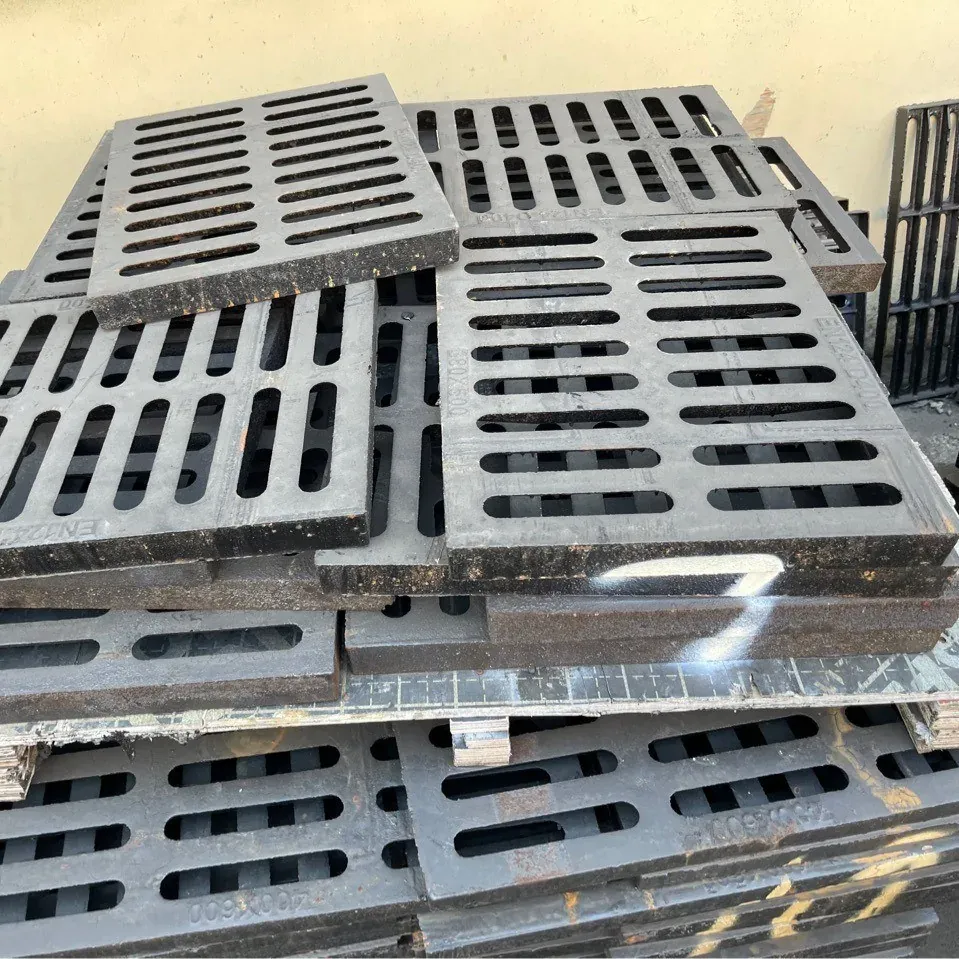
Municipal Infrastructure
Road, sewer, stormwater and city utility projects where covers, frames, gratings and proof documents are evaluated as one supply package.
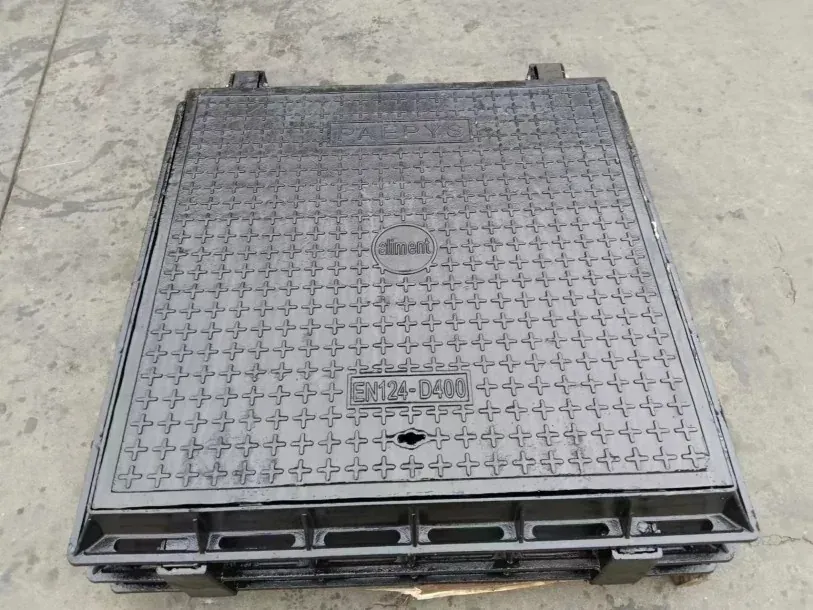
Telecommunication & Utility Networks
Telecom, water, power and maintenance access networks where wording, replacement size and quick photo matching matter.
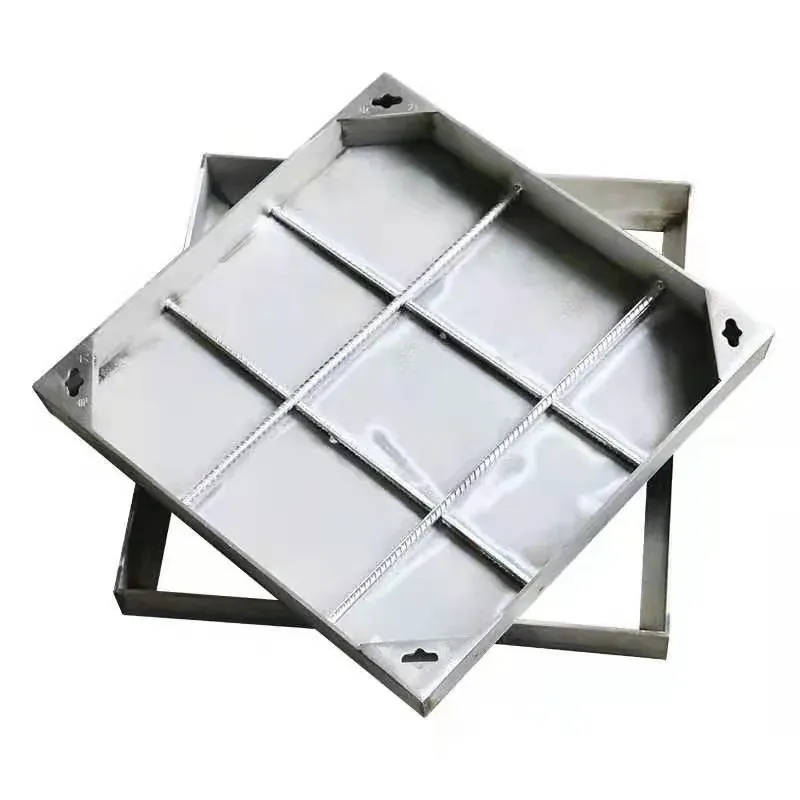
Residential & Commercial
Parks, housing, commercial facilities and light traffic areas where appearance, safety and replacement matching are important.
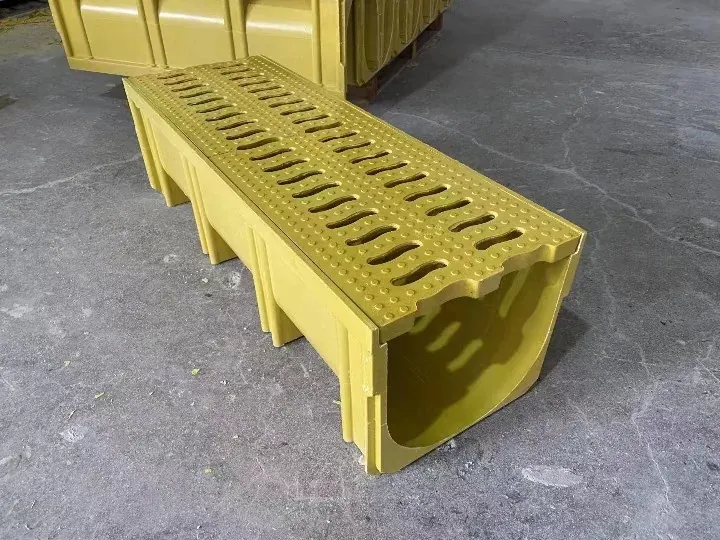
Heavy Loading Infrastructure Projects
Heavy-duty access covers and drainage products for loading yards, industrial roads and high-load infrastructure review.
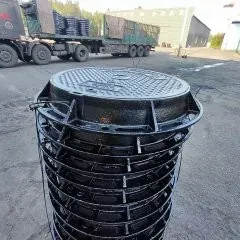
Replacement & Maintenance
Replacement-driven inquiries for old covers, missing frames, wording updates and maintenance replenishment where matching direction matters first.
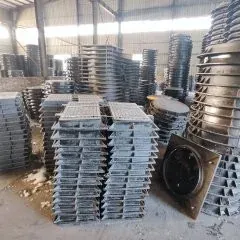
Industrial Parks & Logistics Sites
Industrial park, yard and logistics-site sourcing where covers, drainage runs, access points and maintenance needs are reviewed together.